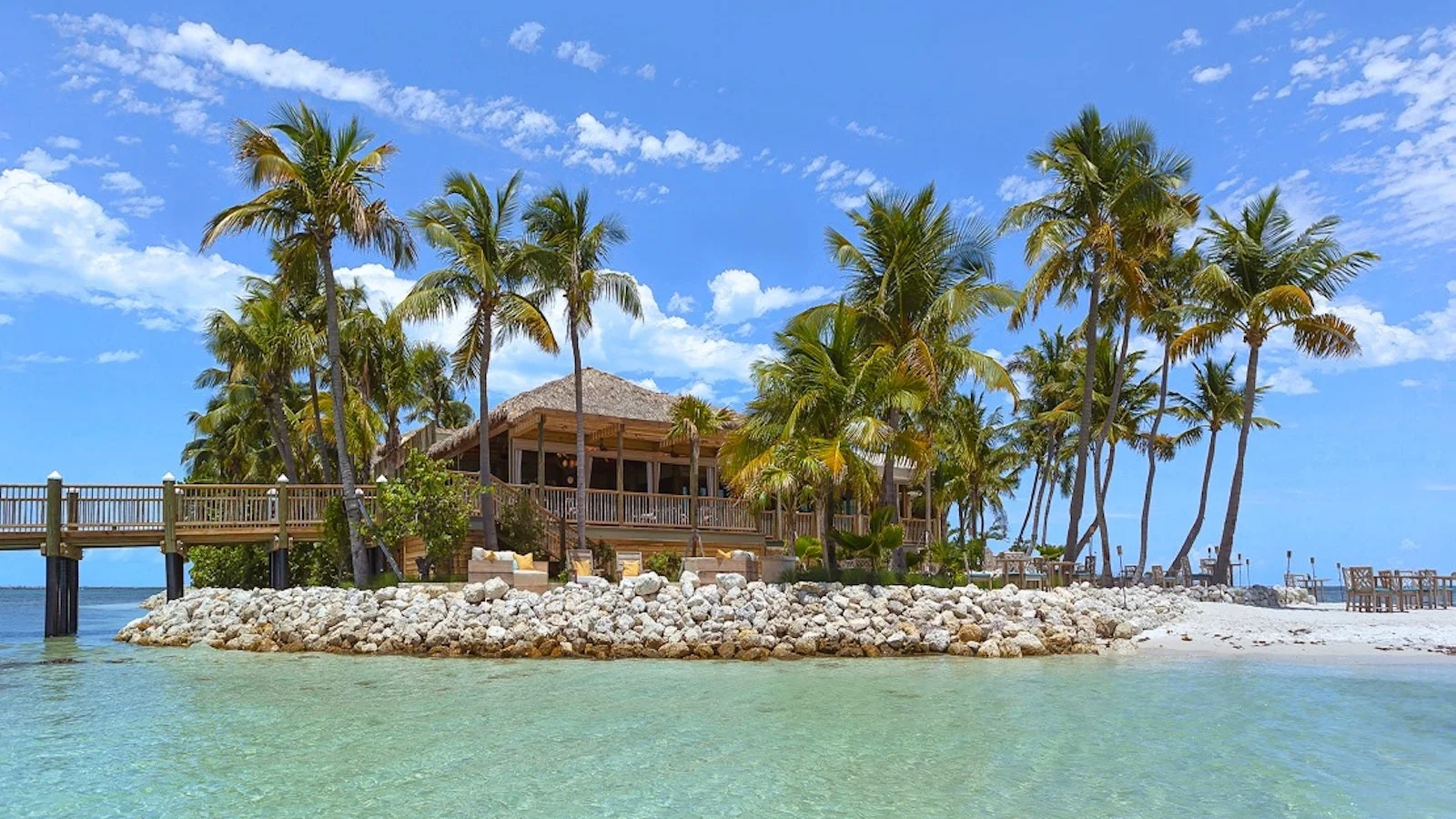
Luxury lifestyle destinations usa luxury is no longer defined by the gilded excess of the Gilded Age or the brand-obsessed logomania of the late 20th century. In the modern American landscape, the concept of a “luxury destination” has undergone a profound systemic shift. We have moved from an era of conspicuous consumption to one of conspicuous character—where the value of a location is measured by its biological resonance, its privacy-to-service ratio, and its ability to act as a “Total Environment” for self-optimization.
When we examine the leading luxury lifestyle destinations usa currently supports, we see a divergence from traditional hospitality models. The most resilient and sought-after enclaves are those that offer “Invisibly Responsive” infrastructure. This refers to environments—be they mountain retreats in the Rockies or coastal estates in the Hamptons—that anticipate the resident’s physiological and psychological needs through biophilic architecture and bespoke operational systems. This is a move toward “Regenerative Luxury,” where the destination is expected to leave the occupant in a measurably better state than when they arrived.
This article provides a rigorous analysis of the high-end American destination landscape. It explores the historical pivot points that redefined American wealth, the conceptual frameworks that drive today’s high-net-worth migrations, and the logistical realities of maintaining a flagship-level lifestyle asset. By moving beyond travel-brochure tropes, we can identify the systemic factors that distinguish a genuine authority-grade destination from a merely expensive one.
Understanding “luxury lifestyle destinations usa”
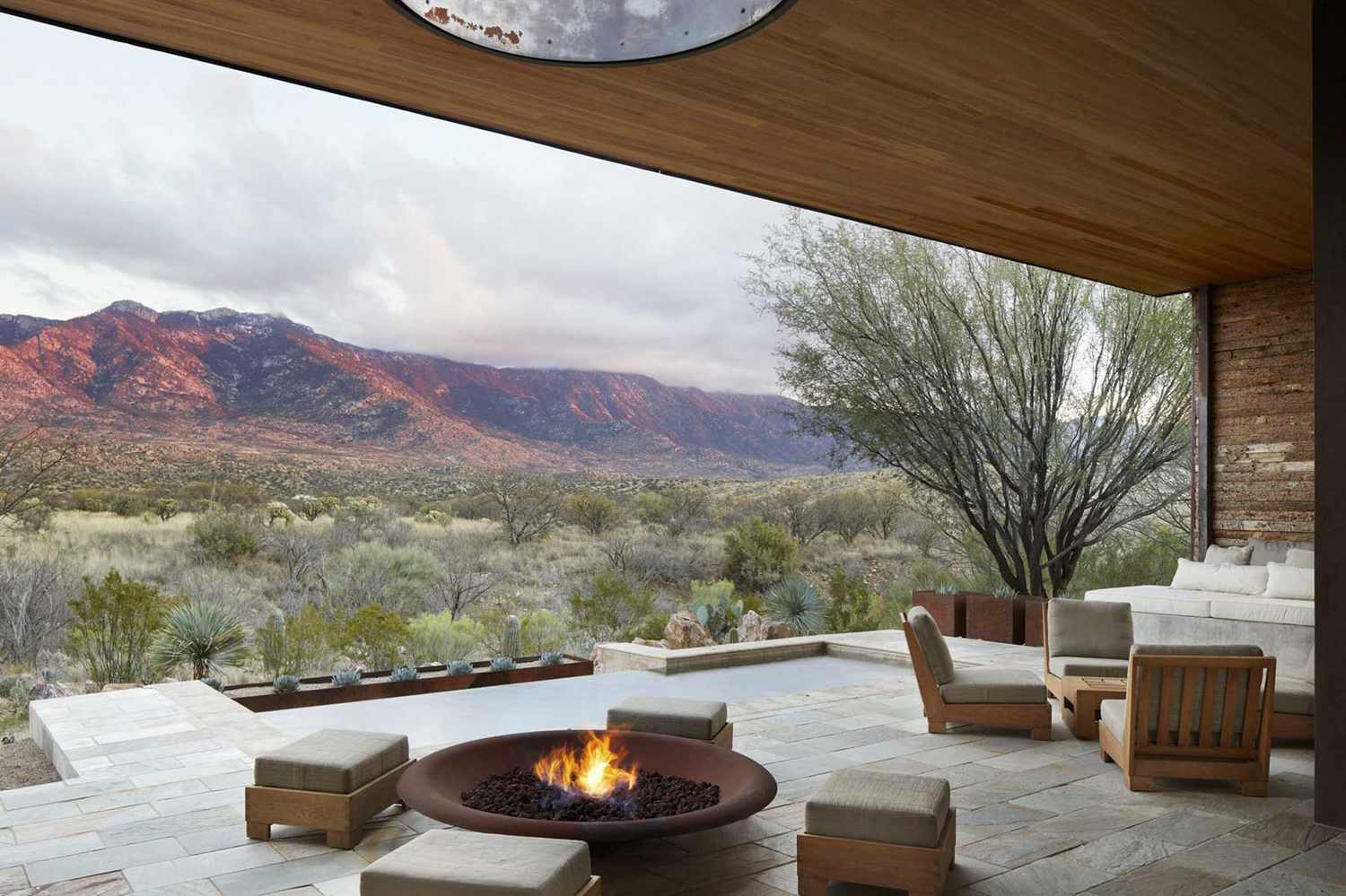
The term luxury lifestyle destinations usa is frequently misconstrued as a simple list of high-priced zip codes. However, in an editorial and analytical context, a true “luxury lifestyle destination” is a complex system involving three critical axes: Occupancy Scarcity, Anticipatory Infrastructure, and Cultural Stewardship.
A common oversimplification is the belief that high cost equals high luxury. In reality, the market is currently seeing a “Schism of Scale.” Furthermore, we must account for “Contextual Friction.” A destination might offer five-star amenities but fail as a lifestyle asset if its surrounding infrastructure (airports, healthcare, security) cannot match the interior experience. The risk of oversimplification lies in ignoring these second-order effects. To understand the best luxury lifestyle destinations usa has to offer, one must evaluate them as “Living Systems” rather than static properties.
Deep Contextual Background: The Systemic Evolution
Luxury lifestyle destinations usa the American luxury destination began as a necessity of the elite traveler’s constitution. In the late 1700s, luxury meant “taking the waters”—traveling to sites like The Homestead in Virginia to escape the unsanitary conditions of early urban centers. In this era, luxury was purely functional: private rooms with locks and better bedding were the ultimate status symbols.
By the early 20th century, the “Grand Hotel” era introduced the concept of the “Social Gathering Place for Great Thinkers.” Establishments like the Omni Parker House or the Willard InterContinental became stages for diplomatic and cultural performance. This was the birth of “Institutional Luxury,” where the destination was a gatekeeper of social prestige.
The most significant shift, however, occurred post-2020. The “Privacy Revolution” decoupled luxury from social visibility. High-net-worth individuals began prioritizing “Low-Food-Mile” nutrition, “Circadian Lighting,” and “Diagnostic Wellness” over the ballroom-and-butler model. Today’s premier destinations are essentially advanced wellness platforms disguised as high-end real estate or resorts.
Conceptual Frameworks and Mental Models Luxury Lifestyle Destinations Usa
The “Wellness as Status” Model
In this framework, health and longevity are the new primary currencies. A destination is judged by its ability to provide multi-day, diagnostic-led itineraries (e.g., neurofeedback, metabolic therapy, or photobiomodulation) rather than just a spa menu.
The “Boutique Scarcity” Framework
This mental model prioritizes the “Service-to-Guest Ratio.” The assumption is that once a destination exceeds a certain occupancy threshold, service moves from being anticipatory (happening before you ask) to reactive (happening because you asked).
The “Barefoot Beyond Beaches” Model
This framework expands the concept of “grounding” or “earthing” to non-tropical environments. It values destinations based on their “Biophilic Integration”—how seamlessly the architecture interacts with the local forest, mountain, or desert ecosystem.
Key Categories and Regional Variations
Luxury in the United States is segmented by its “Material and Environmental DNA.” The following table compares the dominant lifestyle categories.
Realistic Decision Logic
When evaluating luxury lifestyle destinations usa, the “Decision Logic” is increasingly driven by “Climate Resilience.” Affluent buyers are shifting from “Atmospheric” value (how it looks) to “Adaptive” value (how it handles heatwaves, sea-level rise, or power grid instability).
Detailed Real-World Scenarios Luxury Lifestyle Destinations Usa
The “Invisible Service” Villa
-
The Constraint: A high-profile individual requiring 100% privacy for a 14-day recovery period.
-
The Scenario: A private villa in Los Angeles or a secluded ranch in Montana where the staff is “On-Call but Out-of-Sight.”
-
The Failure Mode: If the digital concierge system fails, the “invisible” service becomes “non-existent” service. The best destinations have a “Human Shadow” protocol where staff remain physically distant but always within a 2-minute response radius.
The “Agriluxury” Hybrid
-
The Constraint: A family office seeking to combine a primary residence with a working, sustainable farm.
-
The Decision Point: Balancing “Aesthetic Elegance” with “Operational Dirt.” Modern luxury farms use “Scent-Gating” and glass-walled barn structures to keep the farming experience visual but the odors and noise physically separated.
Planning, Cost, and Resource Dynamics
The economic profile of a luxury destination is increasingly defined by “Operational Liquidity.”
Tools, Strategies, and Support Systems Luxury Lifestyle Destinations Usa
-
BIM-Driven Facility Management: Using 3D digital twins of an estate to manage plumbing and electrical systems before they fail.
-
Parametric Shading Systems: Facades that move automatically to prevent interior UV damage to art collections.
-
Circadian Lighting Arrays: Indoor lighting that mimics the 24-hour sun cycle to optimize sleep.
-
Air and Water Filtration Labs: On-site systems that provide hospital-grade purification.
-
Secure Communication Hubs: Hardwired, encrypted lines for high-stakes business continuity within the residence.
-
Biometric Security Gating: Replacing traditional keys or codes with invisible facial or iris recognition for seamless entry.
Risk Landscape and Failure Modes
-
The “Veblen Trap”: Investing in a destination that is high-cost but low-utility, leading to “Social Obsolescence” if the cultural center of gravity shifts.
-
Technological Fragility: Over-reliance on integrated AI systems that make the home unlivable during a software glitch or power outage.
-
Ecological Encroachment: Coastal or forest destinations facing “Physical Climate Risk” that makes insurance unattainable, creating a “Stranded Asset.”
Governance, Maintenance, and Long-Term Adaptation Luxury Lifestyle Destinations Usa
A flagship lifestyle destination is not a “Set-and-Forget” asset. It requires a “Governance Model” similar to a small corporation.
The Maintenance Hierarchy:
-
Level 1: Physiological (Daily): Air quality monitoring and water pH balance.
-
Level 2: Structural (Seasonal): Facade integrity and thermal envelope checks.
-
Level 3: Adaptational (5-Year): Upgrading wellness tech and security protocols to match emerging threats.
Measurement, Tracking, and Evaluation
-
Qualitative Signals: “Frictionless Score” (the number of times a resident had to ask for something).
-
Quantitative Signals: Energy Use Intensity (EUI) of the estate; Sleep Quality Data (via biometric trackers).
-
Documentation: An “Asset Bible” that records every repair, upgrade, and aesthetic change to preserve the “Pedigree” of the property for future resale.
Common Misconceptions and Oversimplifications Luxury Lifestyle Destinations Usa
-
Myth: “Luxury means having a butler.” Correction: Modern luxury means having a “Villa Manager” who manages the systems that make the butler unnecessary.
-
Myth: “Sustainability is a sacrifice.” Correction: High-end sustainability is now a status symbol—owning a “Carbon-Negative” estate is the ultimate modern flex.
-
Myth: “Luxury destinations are only about the views.” Correction: They are about “Environmental Control”—the view is secondary to the quality of the air you breathe while looking at it.
Conclusion
The evolution of luxury lifestyle destinations usa reflects a broader American shift toward “Intellectualized Wealth. As physical climate risk and the desire for biological optimization become the primary drivers of location-based decisions, the “Best” destinations will be those that offer the highest degree of “Systemic Autonomy.” The successful luxury asset of the future is one that functions as its own ecosystem—resilient, responsive, and radically private.
Leave a Reply