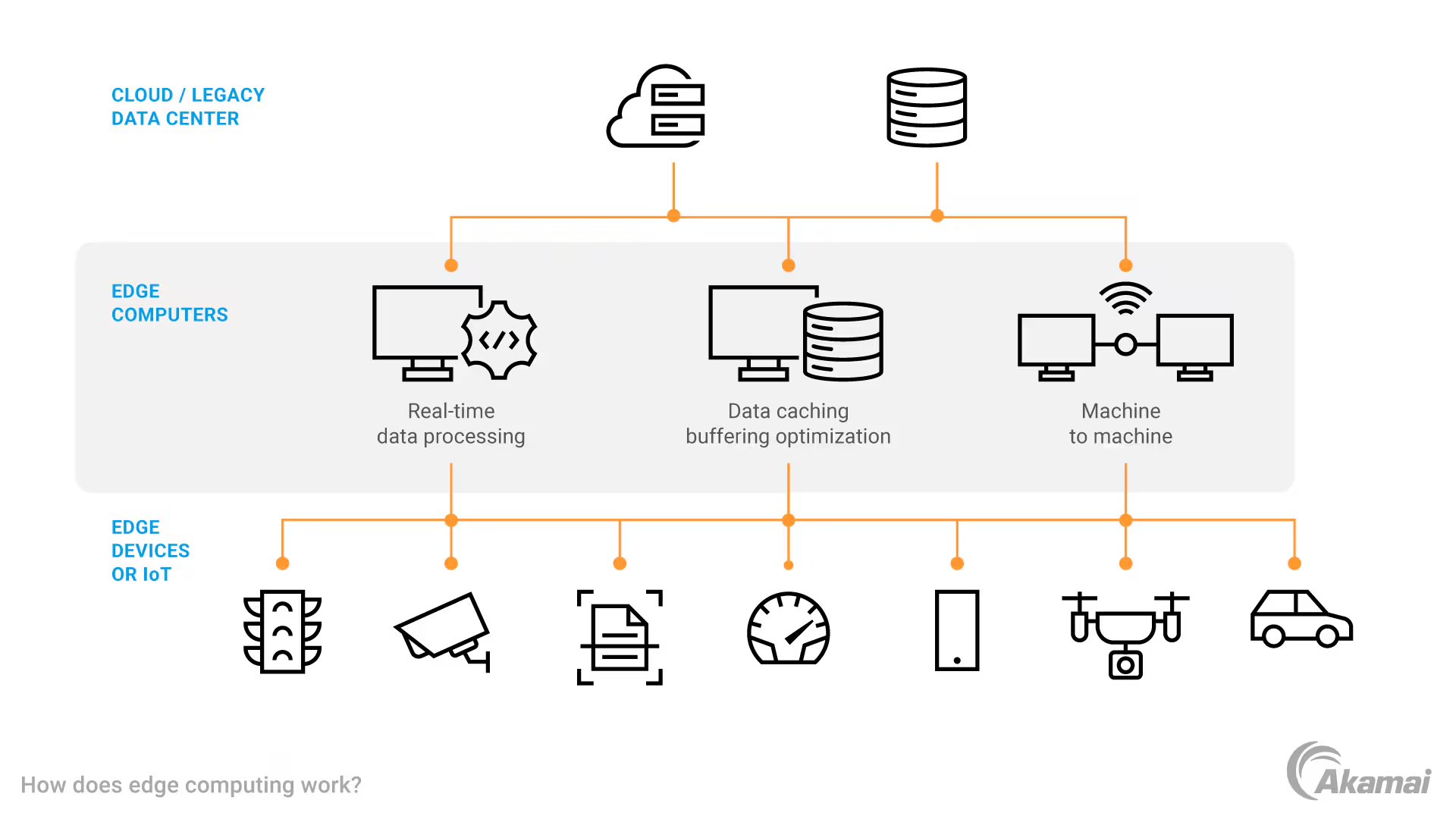
Regionalized edge computing platforms the architectural narrative of the internet has long been defined by a pendulum swing between centralization and distribution. We have transitioned from the era of isolated mainframes to the ubiquitous sprawl of the hyper-scale cloud, where a handful of massive data centers facilitate the world’s computation. However, as the volume of telemetry data from autonomous systems, smart cities, and industrial sensors reaches a critical mass, the centralized model is facing an insurmountable physical limit: the speed of light. Latency is no longer a mere inconvenience for a loading webpage; it is a fundamental barrier to the safety of self-driving vehicles and the efficacy of real-time algorithmic trading.
In response, a sophisticated intermediary layer has emerged. This tier sits strategically between the centralized “core” cloud and the hyper-local “extreme edge” (sensors and devices). By localizing compute and storage resources within specific geographic or network-logical clusters, organizations can bypass the congestion of long-haul backhaul routes. It represents a shift from a “cloud-first” mentality to a “location-aware” strategy.
The maturation of this architecture requires a departure from surface-level discussions about “edge” and a move toward precise structural definitions. This evolution brings forth a unique set of challenges—orchestrating thousands of disparate nodes, managing security in non-traditional environments, and balancing the high capital expenditure of distributed hardware against the operational gains of near-zero latency.
Understanding “Regionalized Edge Computing Platforms”
To define Regionalized Edge Computing Platforms is to describe a specific stratum of infrastructure that prioritizes regional aggregation over either global centralization or individual device-level processing. These platforms are essentially clusters of micro-data centers or high-performance compute nodes located at the “metropolitan edge”—often within telco central offices, neutral colocation facilities, or regional internet exchange points (IXPs). They provide a robust environment for stateful applications that require more horsepower than a sensor but faster response times than a cloud region 1,000 miles away.
A common misunderstanding is the assumption that this is simply a Content Delivery Network (CDN) with more storage. While CDNs primarily focus on static content delivery, regionalized platforms are designed for heavy computational workloads, including real-time AI inference, database synchronization, and containerized microservices. The distinction lies in the “bidirectional” nature of the workload; these platforms don’t just push data out—mere caching—they ingest, process, and act upon data coming from the field.
The risk of oversimplification in this domain is high. Many treat the “edge” as a monolith, failing to distinguish between a “Far Edge” (a smart light pole) and a “Regional Edge” (a rack of servers in a Tier 2 city). Without this nuance, organizations often over-engineer their device-level hardware, leading to wasted energy and excessive maintenance, or they under-engineer their cloud connectivity, leading to catastrophic latency spikes during peak network congestion.
The Historical Shift: Beyond Hyper-Scale
Regionalized edge computing platforms the journey toward regionalization began with the realization that the “Infinite Cloud” was a useful abstraction that eventually collided with physical reality. In the 2010s, the industry’s focus was on consolidation—gathering every byte of data into massive server farms in Northern Virginia or Ireland to achieve economies of scale. This worked for batch processing and non-interactive media. However, the rise of the Internet of Things (IoT) changed the math.
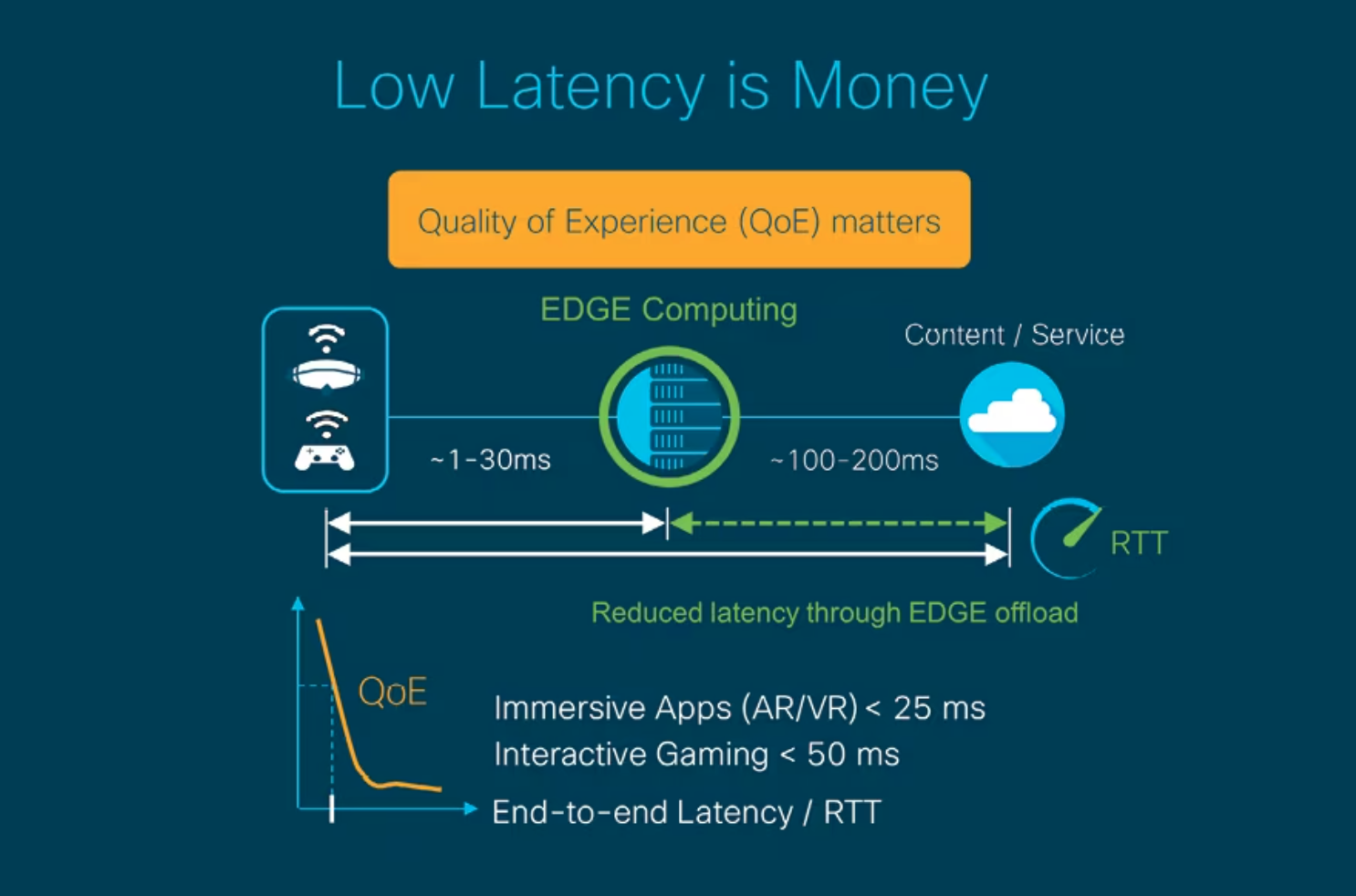
As we entered the 2020s, the “tromboning effect”—where data travels from a device to a distant cloud and back again just to perform a simple action—became a primary point of failure. The emergence of 5G and fiber-to-the-home (FTTH) provided the pipes, but the “brains” remained too far away. This created a vacuum that regionalized platforms have filled. By moving the compute to the regional IXP, the round-trip time (RTT) drops from 100ms+ to sub-10ms, a threshold that is psychologically and mechanically transformative for interactive systems.
Conceptual Frameworks and Mental Models Regionalized Edge Computing Platforms
When architecting for a distributed regional model, three primary mental models help clarify the decision-making process:
-
The Gravity of Data: This model posits that data has “mass.” Large datasets are difficult and expensive to move. Therefore, instead of moving the data to the compute (the cloud), we must move the compute to the data (the regional edge). This reduces backhaul costs and increases the speed of “time-to-insight.”
-
The Latency Budget: Engineers must view latency not as a single number, but as a “budget” that is spent across different segments of the journey: the air interface, the regional backhaul, and the core processing. Regionalized platforms “save” the largest portion of this budget by eliminating the long-haul transit segment.
-
The Sovereign Perimeter: A mental model focused on compliance and security. In this framework, the regional edge acts as a jurisdictional gatekeeper. Data can be processed and scrubbed within a specific legal region (e.g., California or the EU) before a summarized, non-identifiable version is sent to the global core.
Structural Variations and Categorical Trade-offs
Not all regional platforms are built for the same purpose. The diversity in hardware and location creates a spectrum of trade-offs.
The decision logic here is often dictated by the “Statefulness” of the app. A stateless application (like an image resizer) can live anywhere. A stateful application (like a real-time inventory ledger) requires the stability and connectivity found in provider-neutral colocation at the regional level.
Real-World Scenarios and Operational Dynamics
Scenario 1: Autonomous Logistics and Port Management In a major shipping port, hundreds of autonomous cranes and vehicles must coordinate movements within milliseconds to avoid collisions. A centralized cloud is too slow, and individual vehicle compute is too limited to see the “whole picture.”
-
Solution: A regionalized platform situated at the port’s edge aggregates telemetry from all units.
-
Decision Point: Should inference happen on the crane or at the edge node?
-
Failure Mode: If the regional node loses sync, the port must fail-safe to manual or “limp” mode.
Scenario 2: Regionalized Content Injection for Live Sports Broadcasters want to insert localized advertisements and real-time betting odds into a 4K stream without introducing a delay that makes the “live” feed lag behind the radio.
-
Constraint: Transcoding 4K in real-time is compute-intensive.
-
Second-Order Effect: Using regional compute reduces the transit distance for the heavy 4K stream, but increases the complexity of managing ad-inventory across fifty different regional nodes.
The Economics of Distributed Infrastructure
The hidden “Opportunity Cost” of ignoring regionalization is the “Exit Cost” of data.
Methodological Tools and Orchestration Systems Regionalized Edge Computing Platforms
Managing a fleet of Regionalized Edge Computing Platforms requires a specialized “Operating System” for the edge. Standard cloud tools like Kubernetes are often too heavy for smaller regional nodes, leading to the rise of lighter-weight alternatives.
-
K3s and MicroK8s: Optimized, low-memory footprints of Kubernetes designed for resource-constrained regional environments.
-
WebAssembly (Wasm): A revolutionary binary instruction format that allows code to run at near-native speed across different hardware architectures at the edge without the overhead of containers.
-
Distributed SQL/NoSQL: Databases like CockroachDB or Fauna that can maintain data consistency across regional nodes without requiring a trip back to a central master database.
-
SD-WAN and SASE: Networking layers that create a secure “mesh” between the devices, the regional nodes, and the core cloud.
The Risk Landscape and Taxonomy of Failure
In a distributed model, failure is not a binary “up or down” state; it is a spectrum of degradation.
-
The Split-Brain Problem: In a regionalized platform, a network partition might lead two different regional nodes to believe they are the “master,” leading to data corruption or conflicting actions in autonomous systems.
-
Physical Vulnerability: Unlike a hyper-scale data center with armed guards and biometric scanners, a regional edge node might be in a locked cabinet in a basement or a roadside enclosure.
-
Orchestration Drift: When a security patch is pushed to 500 regional nodes, and 490 succeed but 10 fail silently. These “zombie nodes” become the primary entry point for cyberattacks.
Governance, Maintenance, and Lifecycle Adaptation Regionalized Edge Computing Platforms
The maintenance of a regionalized platform follows a “Tiered Response” model. You cannot fly a technician to every regional node for every minor glitch.
-
Review Cycles: Automated health checks every 60 seconds; deep-packet inspection audits every quarter; physical hardware refreshes every 3–5 years.
-
Adjustment Triggers: If a regional node exceeds 80% CPU utilization for more than 10 minutes, the orchestrator should “burst” the non-critical workloads to the central cloud.
-
Layered Checklist:
-
Security: Are the local encryption keys rotated?
-
Environment: Is the rack temperature within the threshold for a non-conditioned space?
-
Performance: Is the P99 latency to the local IXP under 10ms?
-
Evaluation Metrics and Performance Tracking
How do we quantify the success of a regionalized strategy? It requires a transition from “server-side” metrics to “user-experience” metrics.
Leading Indicators (Predictors of Health):
-
Peering Distance: The number of network hops between the end-user and the regional node.
-
Cold-Start Latency: How quickly a new function or container can spin up at the edge node when a request comes in.
Lagging Indicators (Outcome Metrics):
-
Egress Cost Savings: The measurable reduction in bills from Tier 1 transit providers.
-
Buffer Bloat: The reduction in packet queuing during high-traffic periods.
-
Jitter Reduction: The stability of the latency over time, which is more important than the average speed for many industrial applications.
Common Misconceptions and Oversimplifications Regionalized Edge Computing Platforms
-
“Edge will kill the Cloud”: False. Regional platforms rely on the cloud for heavy training of AI models and long-term cold storage. They are partners, not rivals.
-
“It’s only for AI”: While AI is a big driver, simple things like regionalized compliance scrubbing and localized video transcoding are equally important.
-
“One size fits all”: A regional node for a hospital (privacy-focused) looks nothing like a regional node for a gaming company (throughput-focused).
-
“It’s too expensive for SMEs”: With the rise of “Edge-as-a-Service” providers, smaller companies can now lease space on regional platforms without building their own.
Ethical and Jurisdictional Considerations
Regionalization brings the concept of “Digital Sovereignty” to the forefront. This creates a complex “Geofencing” requirement where code must behave differently depending on the regional node it is running on.
There is also the ethical question of the “Digital Divide.”
Synthesis: The Future of Proximity-Based Compute Regionalized Edge Computing Platforms
The rise of Regionalized Edge Computing Platforms marks the end of the “centralization at all costs” era. Ultimately, the goal of regionalization is to make technology invisible.
Leave a Reply