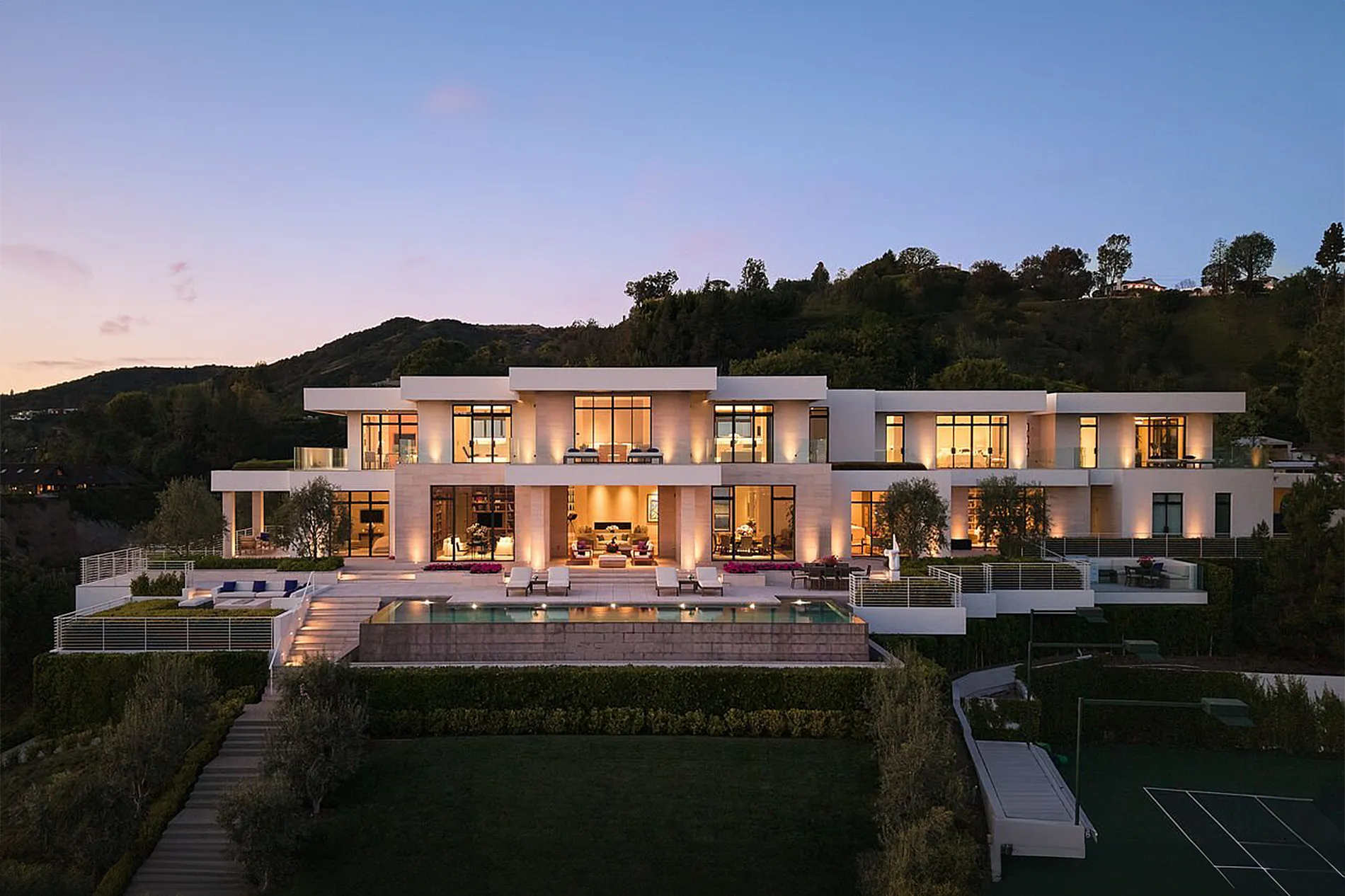
Best luxury estates in the us the American luxury estate is a sprawling paradox of private sanctuary and public statement. Unlike the concentrated urban high-rises of Europe or Asia, high-value residential assets in the United States often lean into the horizontal expansive power of the land itself. This is an architecture of “Thresholds”—between the curated interior and the untamed exterior, between the legacy of historical craftsmanship and the invisible efficiency of modern automation. To analyze these properties is to observe the evolution of wealth from the Gilded Age’s heavy masonry to the 21st-century’s “Biophilic Luxury,” where the most valuable commodity is no longer square footage, but a seamless integration with the natural environment.
In the current landscape, the definition of a premier estate has decoupled from sheer opulence. The contemporary market prioritizes “Multihyphenate Livability”—spaces that must simultaneously function as high-security fortresses, private wellness retreats, multigenerational compounds, and professional digital hubs. This shift marks a transition from the estate as a passive asset to the estate as an active “Lifestyle System.” The engineering required to maintain this level of performance, particularly in the face of climate volatility and resource scarcity, has transformed luxury real estate into a sophisticated discipline of systems management and ecological stewardship.
Understanding the complexity of these properties requires a move beyond the surface-level allure of infinity pools and marble foyers. A true luxury asset is defined by its “Invisible Infrastructure”—the geological stability of its site, the redundancy of its energy systems, and the legal frameworks that protect its long-term privacy and value. This editorial serves as a definitive interrogation of the American estate, examining the historical currents, structural innovations, and rigorous governance that define the most significant residential holdings on the continent.
Understanding “best luxury estates in the us”
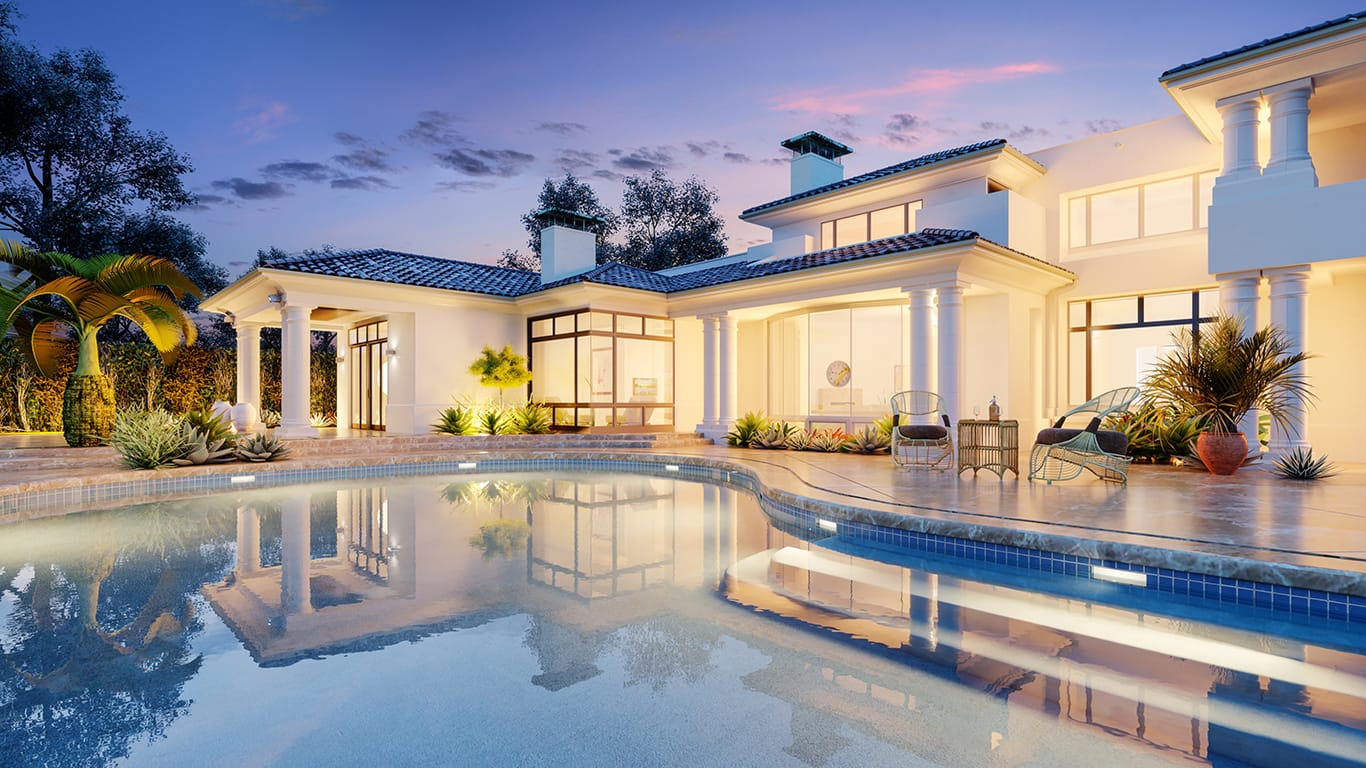
The nomenclature of the best luxury estates in the us is frequently diluted by marketing hyperbole, yet for the serious institutional or private collector, the term carries specific structural and legal weight. A “Luxury Estate” is not merely a large house; it is a “Unified Land Asset” where the residence is one component of a larger, managed ecosystem. This includes the legal right to privacy (often secured through conservation easements or complex trust structures), the control of viewsheds, and the presence of “Primary Amenities” like independent water rights, agricultural land, or high-capacity technological foundations.
From a multi-perspective viewpoint, the evaluation of an estate must account for the “Privacy-Proximity Conflict.” The most prestigious estates navigate the tension between the desire for total seclusion and the necessity of being within a “Ninety-Minute Radius” of major cultural and financial centers. An estate in the remote Montana wilderness offers peak privacy but high logistical friction; conversely, a coastal estate in the Hamptons or Malibu offers proximity but faces extreme public exposure and regulatory constraints. The “Best” estates are those that achieve a “High-Efficiency Buffer,” using topography and advanced landscaping to create an island of isolation within reach of global nodes.
There is also a significant risk of oversimplifying luxury through “Aesthetic Mimicry.” A property may look like a landmark, but without “Integrity of Material”—the use of true stone over veneers, or artisanal millwork over mass-produced finishes—it lacks the durability to be a long-term authority asset. In 2026, the market has matured to value “Provenance and Performance” over “Pretense.” We evaluate these estates as “Engineering Feats” as much as architectural ones, looking for structures that can survive centuries of environmental stress while providing an intuitive, invisible layer of modern comfort.
Contextual Background: From Mansions to Lifestyle Systems
Best luxury estates in the us the American estate has evolved through three distinct “Tectonic Phases.” The first, the Gilded Age (1870–1920), was characterized by “European Appropriation.” Typified by the Biltmore Estate or the Newport “Cottages,” these were masonry-heavy structures designed to project historical legitimacy. They were labor-intensive machines, requiring massive domestic staffs to function, and were often aesthetically divorced from their American contexts.
The second phase, the Mid-Century Modernist Expansion (1945–1990), introduced the “Glass-and-Steel” transparency. Influenced by the Case Study Houses and the works of Frank Lloyd Wright, estates began to crawl across the landscape rather than towering over it. This era prioritized the “Indoor-Outdoor Flow” and the democratization of light, moving luxury away from formal enclosure toward spatial freedom.
The current phase, the Resilient/Biophilic Era (2010–Present), focuses on “Intentionality and Autonomy.” Modern estates are designed with a “Net-Zero” ethos, utilizing geothermal heating, advanced atmospheric water generators, and “Quiet Tech” that operates behind the walls. The estate is no longer just a home; it is a self-sustaining node that reflects a shift toward wellness, privacy, and ecological harmony.
Conceptual Frameworks and Mental Models Best Luxury Estates In The Us
The “Compound Logic” Model
This framework views the estate not as a single house, but as a “Cluster of Functions.” It analyzes the spatial relationship between the main residence, guest “multigenerational” suites, wellness pavilions, and security hubs. The goal is “Acoustic and Social Zoning,” where multiple generations can inhabit the same land without infringing on each other’s privacy.
The “Envelope Performance” Matrix
A landmark estate is judged by the quality of its “Skin.” This model evaluates the thermal mass, the U-value of glazing, and the moisture-management systems. In the US, where climates range from the humid sub-tropics of Florida to the arid deserts of Arizona, a luxury estate’s “Regional Intelligence” is its most important structural trait.
The “Time-as-Luxury” Framework
This model suggests that the ultimate luxury is the reduction of “Friction.” An estate is evaluated by its “Invisible Logistics”—how easily it can be serviced without disrupting the inhabitant, how quickly it can transition from a quiet sanctuary to a high-capacity event space, and the reliability of its automated systems.
Key Categories and Regional Typologies
The geographic diversity of the United States creates highly specialized estate typologies.
Realistic Decision Logic
When identifying the best luxury estates in the us, the logic must follow “Site-Specificity.” A glass-heavy modern pavilion that works in the soft light of the Pacific Northwest would be a thermal failure in the harsh sun of the Mojave. The most valuable assets are those that have “Architectural Symbiosis”—where the design is a direct response to the specific micro-climate of the parcel.
Detailed Real-World Scenarios Best Luxury Estates In The Us
Scenario 1: The “Self-Sustaining” Island
-
The Constraint: A coastal estate in the Florida Keys facing rising sea levels and hurricane frequency.
-
The Solution: Designing the estate on “Amphibious Foundations” or elevated piers with a “First-Floor Breakaway” design, combined with an independent solar-hydrogen fuel cell for power.
-
The Result: The property remains a viable asset while neighboring conventional mansions face insurability crises.
Scenario 2: The “Digital Detox” High-Security Estate
-
The Constraint: A high-profile owner in Silicon Valley requiring total “Electronic Privacy.”
-
The Innovation: Incorporating a “Faraday Shielding” layer into the bedroom wings and wellness areas to block all cellular and Wi-Fi signals for deep sleep and focus.
-
The Trade-off: Requires a “Hardwired-Only” infrastructure for communication, increasing initial construction complexity.
Planning, Cost, and Resource Dynamics
The acquisition of a top-tier estate involves “Total Lifecycle Costing.”
Tools, Strategies, and Support Systems Best Luxury Estates In The Us
-
Atmospheric Water Generation (AWG): Extracting moisture from the air to ensure water independence in drought-prone regions.
-
Geofencing & Stealth Security: Using AI-driven thermal sensors and ground-penetrating radar instead of visible “prison-like” fencing.
-
Variable Refrigerant Flow (VRF) HVAC: Allowing for granular temperature control across different “zones” to reduce energy waste in massive floorplans.
-
Circadian Lighting Systems: Mimicking the sun’s natural light path indoors to optimize the physiological health of the occupants.
-
Smart Glass (Electrochromic): Windows that tint automatically based on sun intensity to manage solar gain without blocking views.
-
Redundant Connectivity: Combining fiber optics with low-orbit satellite systems (Starlink) to ensure zero-downtime for professional operations.
Risk Landscape and Environmental Vulnerabilities
The primary risk to luxury assets in 2026 is “Compounding Climate Risk.” An estate may have a fire-resistant shell, but if its single access road is blocked by a landslide or its local water table collapses, the property value evaporates.
-
Taxonomy of Risks:
-
Direct: Wildfire, flooding, seismic events.
-
Systemic: Loss of local grid reliability, rising insurance “non-renewal” zones.
-
Social: Encroachment of high-density development on privacy buffers.
-
Governance, Maintenance, and Long-Term Adaptation Best Luxury Estates In The Us
The management of a premier estate requires a “Governance Protocol” similar to a small corporation.
The Adaptation Checklist:
-
Quarterly System Audits: Testing the “Handover” between grid power and backup battery systems.
-
Land Trust Review: Ensuring conservation easements remain in compliance to preserve tax benefits and privacy.
-
Cyber-Security Refresh: Updating the “Invisible Perimeter” of the home’s network to prevent intrusion or data leaks from smart appliances.
-
Material Conservation: Treating “Living Materials” like copper roofs or unsealed stone to ensure they “Patina” rather than “Degrade.”
Measurement, Tracking, and Evaluation
How do we quantify the authority of a luxury asset?
-
Leading Indicators: Installation of “Next-Gen” sustainable infrastructure; successful “Stress-Tests” of off-grid systems.
-
Lagging Indicators: Resale velocity compared to regional averages; “Aesthetic Durability” (does the design feel dated after 10 years?).
-
Documentation:
-
The “Home Manual”: A technical bible documenting every pipe, wire, and material source.
-
The Ecological Ledger: Tracking the property’s biodiversity and resource consumption over time.
-
Common Misconceptions and Oversimplifications Best Luxury Estates In The Us
-
Myth: “More amenities always increase value.” Correction: High-maintenance amenities like indoor water parks can actually decrease “Liquidity” as they limit the pool of potential buyers.
-
Myth: “Turnkey means perfect.” Correction: High-end turnkey properties often hide “Systemic Incompatibility” between disparate smart home brands.
-
Myth: “Luxury is about noise.” Correction: The highest luxury in 2026 is “Acoustic Silence”—the engineering of decibel-neutral environments.
-
Myth: “Security means visible cameras.” Correction: True high-tier security is “Stealth-First,” utilizing behavioral analytics over visible deterrents.
Conclusion
The pursuit of the best luxury estates in the us is a search for a “Complete Environment.” In an era of increasing volatility, the estate has returned to its roots as a fortress of autonomy—not through thick walls, but through intelligent systems and ecological integration. A true luxury asset is one that manages the complexities of the modern world so effectively that the inhabitant is free to ignore them. By prioritizing structural honesty, physiological wellness, and long-term resilience, the American estate remains the ultimate expression of individual sovereignty and architectural mastery.
Leave a Reply